
Living in Glasgow means you are well-acquainted with the unique temperament of the Scottish weather. One afternoon you might be enjoying a rare bit of sunshine in Kelvingrove Park, and the next, you are bracing against a horizontal downpour and a biting wind coming off the Clyde. Because our winters are long and our summers are, let’s be honest, often just slightly warmer winters, our home heating systems work harder than almost anywhere else in the UK. When your heating is running for eight or nine months of the year, a temperamental boiler isn’t just an inconvenience; it is a genuine problem that affects your quality of life and your bank balance.
If you have started to notice that your radiators are taking an age to warm up, or if your boiler is making noises that sound like a bag of spanners being tossed around, it might be time to think about an upgrade. Searching for a new boiler Glasgow can feel like a daunting task, especially with the sheer number of brands, models, and installers available. However, making the right choice now can save you thousands of pounds in the long run through improved efficiency and reduced repair costs. Modern boilers have come a long way in the last decade, and the technology available today is designed specifically to handle the heavy-duty requirements of a chilly Scottish household.
Recognising the signs that your current boiler is on its last legs
Most of us don’t give our boilers a second thought until they stop working. We expect them to sit quietly in a cupboard or the kitchen, providing hot water and warmth on demand. But like any mechanical appliance, they have a lifespan. Generally, once a boiler hits the twelve-to-fifteen-year mark, its reliability starts to plummet. If you are constantly calling out an engineer or searching for spare parts on the internet, you are likely throwing good money after bad.
There are several red flags that suggest you should start looking into a replacement sooner rather than later:
- Rising energy bills: If your gas usage is climbing despite your habits staying the same, your boiler is likely losing its efficiency.
- Frequent breakdowns: A boiler that needs a repair every winter is a boiler that cannot be trusted.
- Strange noises: Banging, whistling, or gurgling sounds often indicate a build-up of limescale or a failing pump.
- Yellow flames: A healthy gas flame should be crisp and blue; a yellow flame can indicate incomplete combustion and the potential presence of carbon monoxide.
- Leaking water: Any sign of moisture around the base of the unit is a serious concern that requires immediate attention.
The real benefits of upgrading to a modern system
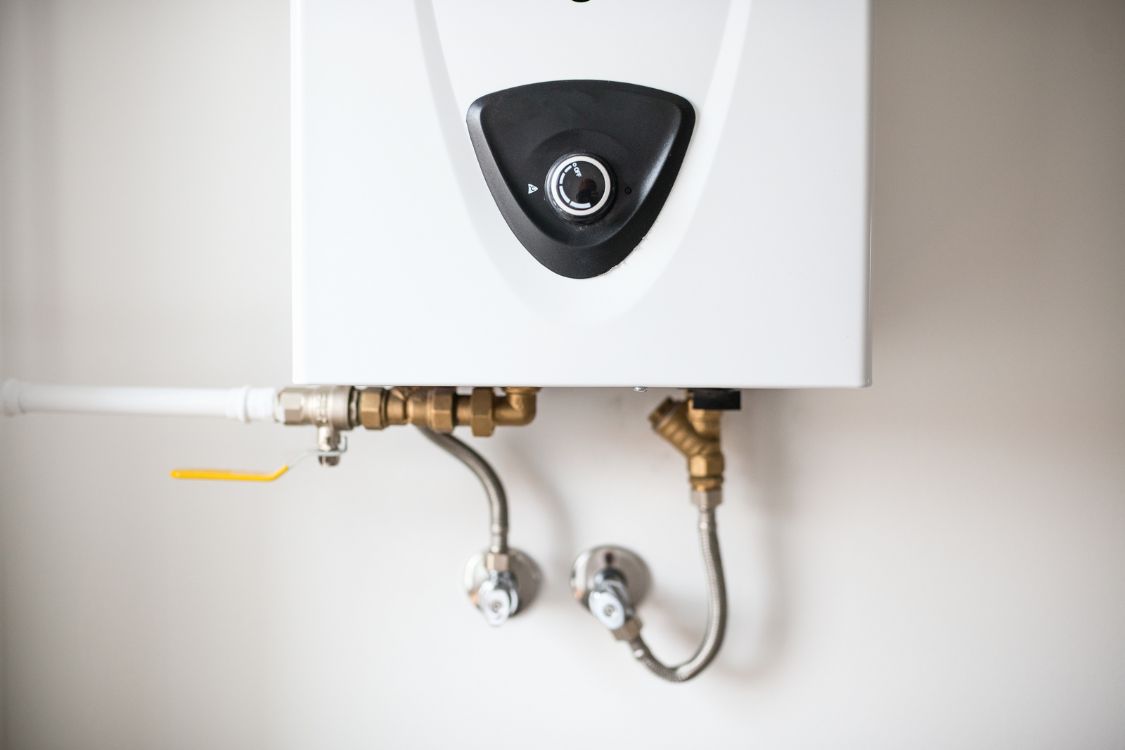
The primary reason most people finally bite the bullet and invest in a new boiler Glasgow is the promise of improved efficiency. Older ‘G-rated’ boilers can be as little as 60% efficient, meaning for every pound you spend on gas, forty pence is literally going out the flue. In contrast, modern A-rated condensing boilers are more than 90% efficient. This transition doesn’t just lower your carbon footprint; it puts a significant dent in your monthly outgoings.
Beyond the financial savings, there is the peace of mind that comes with a manufacturer’s warranty. When you install a premium brand like Worcester Bosch, Vaillant, or Ideal, you often receive a guarantee that lasts anywhere from five to twelve years. This means that if anything does go wrong, the cost of parts and labour is covered, allowing you to sleep soundly even during the coldest Glasgow nights. Furthermore, modern systems are much quieter and more compact, often allowing you to reclaim cupboard space or move the unit to a more convenient location in your home.
Understanding which boiler type suits your Glasgow home
Glasgow has a diverse range of housing, from high-ceilinged Victorian tenements in the West End to modern detached homes in the suburbs. The type of property you live in will largely dictate the type of boiler you need. It is not a one-size-fits-all situation, and getting the wrong type of system can lead to poor water pressure or insufficient heating.
Combination (Combi) Boilers
Combi boilers are the most popular choice in the UK, especially for flats and smaller houses. They heat water directly from the mains when you turn on a tap, so you don’t need a hot water storage cylinder or a cold water tank in the loft. They are incredibly space-efficient, which is perfect for Glasgow’s many tenement apartments where space is at a premium. However, they can struggle if multiple people are trying to use hot water in different rooms at the same time.
System Boilers
If you have a larger family home with multiple bathrooms, a system boiler might be the better shout. These require a cylinder for storing hot water, but the major heating and hot water components are built into the boiler itself, making installation cleaner. They are excellent for providing a high volume of hot water to several taps simultaneously without a drop in pressure.
Regular (Conventional) Boilers
Often found in older properties, these systems involve a boiler, a storage cylinder, and a water tank in the loft. While they take up the most space, they are sometimes the best option for homes with older radiator systems that might not handle the higher water pressure of a combi or system boiler. If you are looking for a new boiler Glasgow for a traditional red sandstone villa, your engineer might recommend staying with a conventional setup to protect your existing pipework.
What to look for in a local Glasgow installer
Choosing the right boiler is only half the battle; the quality of the installation is just as important. A poorly installed boiler will never reach its maximum efficiency and may even be dangerous. When you are looking for a local firm, you should prioritise those who have a deep understanding of the local area and the specific challenges of Glasgow’s plumbing infrastructure.
Before you sign any contracts or pay a deposit, make sure you have checked the following:
- Gas Safe Registration: This is a legal requirement. Never allow anyone to work on a gas appliance unless they are on the Gas Safe Register.
- Local Reputation: Look for reviews from other Glaswegians. Word of mouth is still one of the best ways to find a reliable tradesman in this city.
- Transparent Pricing: A reputable company will provide a clear, written quote with no hidden extras. Be wary of prices that seem too good to be true.
- Aftercare Services: Does the company offer annual servicing? A boiler needs to be serviced every year to keep the warranty valid and ensure it remains safe.
The installation process and what to expect
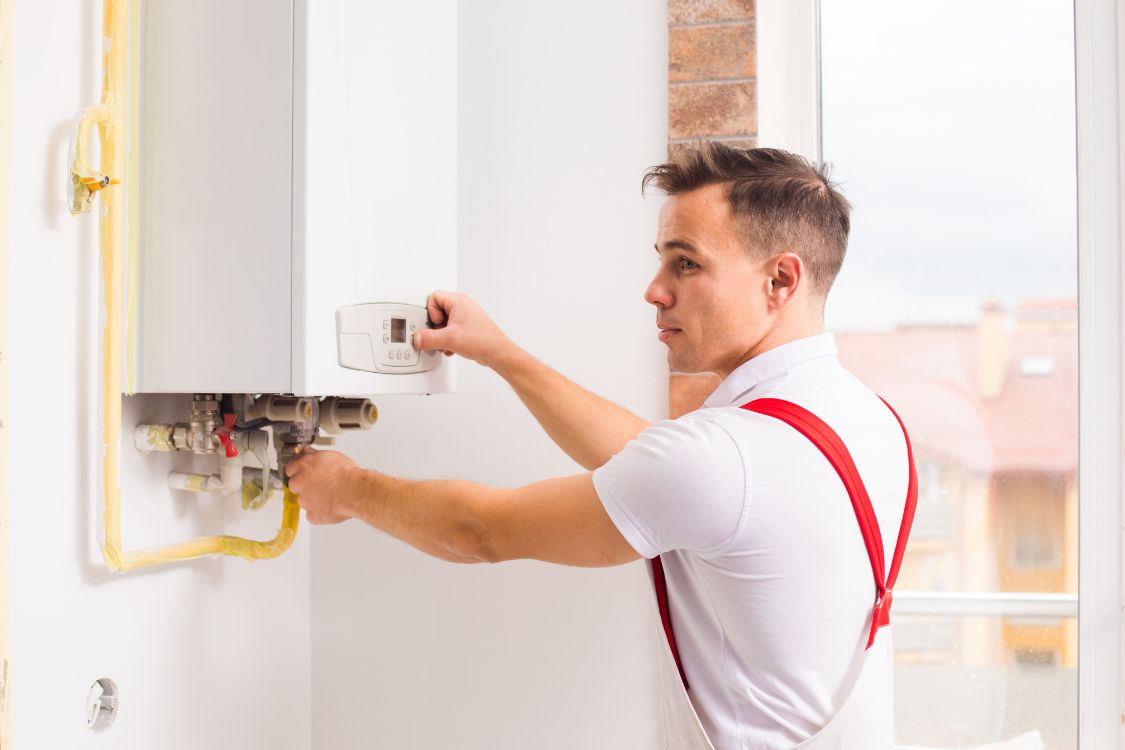
Once you have selected your new boiler Glasgow and chosen an installer, the actual process is usually quicker than people expect. A straightforward ‘like-for-like’ swap can often be completed in a single day. However, if you are moving the boiler to a different room or converting from a conventional system to a combi, it might take two or three days. The engineer will need to flush your system to remove any sludge or debris that has built up in your radiators over the years; this is a crucial step to ensure your new unit doesn’t get clogged up immediately.
During the installation, there will be a period where your gas and water are turned off, so it is worth planning ahead—especially if you have young children or are working from home. A professional team will take care to protect your carpets and surfaces, and they should provide a full demonstration of how to use your new controls and thermostat before they leave. Many modern systems now come with ‘smart’ thermostats that allow you to control your heating from your phone, which is incredibly handy for turning the heating on while you’re on the train back to Queen Street or Central Station.
Investing in your home’s infrastructure is always a big decision, but the comfort and security of a warm home are priceless. By focusing on energy efficiency, choosing the right model for your specific property type, and employing a skilled local professional, you can ensure that your home remains a cosy sanctuary regardless of what the Glasgow weather decides to do outside. Taking the time to research your options now ensures that you won’t be left in the cold when the temperature inevitably drops.

Sophia is a personal finance writer who focuses on budgeting, investing, and wealth management. She helps readers make informed financial decisions with practical advice and expert analysis.